The way Global Warming might be Impacting Insect Populations
Since climate change continues to transform the surroundings, it has been producing profound effects on infestations. Warmer temperatures, shifting rainfall patterns, and changing habitats are generating ideal conditions for various pests to thrive and grow their territories. This not just makes difficult controlling pests strategies but additionally poses major challenges for homeowners and businesses alike.
Understanding how climate change influences the behavior of pests is crucial for effective pest management. Concerns such as seasonal pest presence and the increase of emerging infestations demand a proactive strategy. In this article, we will explore the key indicators indicating you may require professional pest control, examine the importance of preventative measures, and highlight sustainable pest control options that can be incorporated into your home. By keeping updated and prepared, you can safeguard your living spaces from undesirable intruders while mitigating the risks associated with pest-related issues.
Signs That You Require Specialized Infestation Control
Identifying the early signs of a pest problem is vital in preventing a severe infestation. One of the most apparent signals is the sight of pests in your space, whether it's a trail of ants crawling across your cooking area or the unexpected sighting of cockroaches in your bathroom. Additionally, noticing feces or exoskeleton remains can signal that pests are making a home for themselves in your environment. Don't dismiss these signs; they often imply that there are additional lurking nearby.
Another important sign is unusual sounds coming from walls, attics, or basements. Scrapes, scuttling, or chewing noises can point to the presence of rodents or larger pests that often necessitate professional intervention. Furthermore, harm to your property, such as holes in the walls or chewed wires, serves as a distinct warning that there's a pest problem that needs prompt addressing. Ignoring these noises and damages can result in more extensive and costly repairs down the line.
Lastly, if you've noticed an unaccounted for rise in pest-related allergies or health issues among family members, it's time to consider professional pest control. https://social.muztunes.co/muzsocial-members/pestcontrolservices291/activity/21445/ like rodents and cockroaches can cause asthma and allergic reactions, making it essential to eliminate the source of these health concerns. When you see any mix of these signs, engaging a pest control expert can help ensure your home stays clean and pest-free.
Choosing the Appropriate Pest Control Service
Selecting a pest control service can be a daunting task, especially with the variety of choices available. Begin by exploring companies in your area and checking customer feedback to evaluate their credibility. Seek out organizations that are certified and protected, as this demonstrates credibility and conformity with local regulations. Moreover, seek recommendations from friends, family, or neighbors who have had positive experiences with pest control providers.
Once you have a selection, it’s essential to ask about their methods and products. A reliable pest control company should be open about how they function and the products they use. Take note to whether they offer sustainable options if that is important to you. Moreover, inquire about https://flynn-upchurch-4.technetbloggers.de/a-guide-to-pet-friendly-pest-management-techniques with specific pests you may be facing, as targeted knowledge can make a significant effect in efficiently handling your situation.
Ultimately, ensure that the company supplies a comprehensive outline of costs and offerings. Request proposals from various companies to evaluate pricing, but be wary of unusually low bids, as they may indicate a lack of standards. Understanding what services are included and what to look forward to during the process will help in making an informed decision. A trustworthy company will not only provide effective pest control solutions but will also offer advice on how to avoid future infestations.
Understanding Common Household Infestations
Home infestations can be a origin of distress for many residents, as they not only invade houses but can also pose health risks. Frequent infestations such as ants, cockroaches, and wood-eating insects each have individual characteristics that make them a hassle to control. Formicidae are known for their exquisite ability to find sources of food, frequently leading them into cooking areas and food storage areas. Cockroaches are active at night and flourish in warm, moist environments, making them tough to spot until there is a significant infestation. Wood-destroying insects can subtly cause extensive damage to timber constructions, highlighting the importance of early detection.
An additional significant group of pests includes rodents, particularly house mice and rats, which are notorious for their high reproductive rates. They commonly invade houses seeking refuge and nourishment, leading to tainting and potential dangers through their droppings. Bed bugs have also become more frequent in households, readily hitching rides on luggage or apparel and leading to chronic infestations that require expert help for remedy. Understanding these infestations' conduct and preferences can help homeowners take early measures in infestation management.
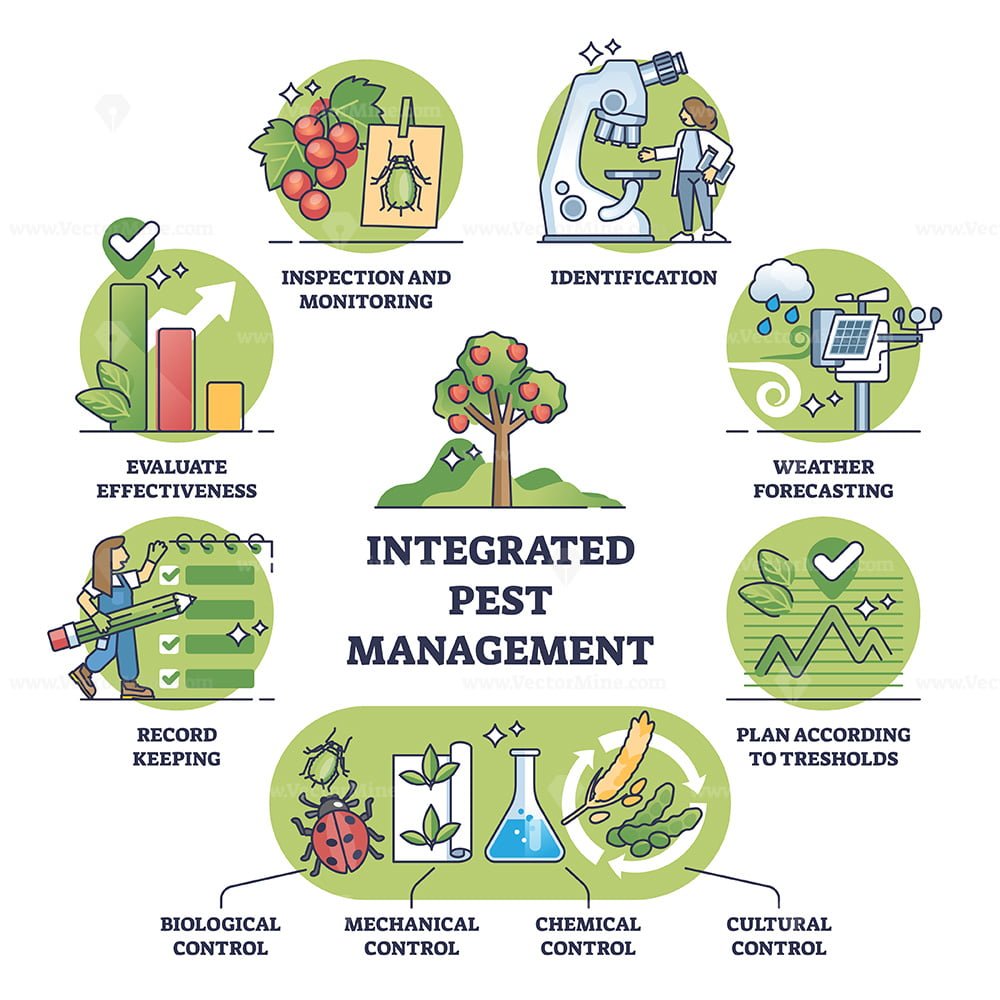
Frequent checks and being alert about indicators of pests can go a great distance in managing these frequent infestations. Residents should check for evidence such as droppings, gnaw marks, or burrows, which indicate the invasion of pests. Maintaining neatness, sealing entry points, and using successful pest-proofing techniques can significantly reduce the chances of an invasion. When dealing with a larger problem, knowing when to contact expert exterminators can make all the distinction in safeguarding your home and safety.